Winkelwagen
WicoPlanten
  • Home
  • Onze missie
  • Alle producten
  • Standplaats
    • Bosplanten
    • Bosrandplanten
    • Planten voor open plaatsen
    • Oeverplanten en planten voor een wadi
  • Tips
    • Nieuwsbrief
    • terugknippen
    • Voorsnijden
  • agenda
  • Contact
    • Algemene voorwaarden
    • Leveringsbeleid

Ophiopogon

In het Nederlands Slangebaard genaamd.
De familie is Convallariaceae.
De sierwaarde zijn de bloemen, de vruch en het blad.
Ophiopogon komt van het Griekse ophis wat slang betekend en pogon wat baard betekend.

Ophiopogon verlangt een humeuze grond, doorlatende grond voor een optimaal groeiresultaat. Voor de zekerheid de eerste winter beschermen tegen de oostenwind. Mooi te gebruiken voor bladstructuur in de tuin. Het is een langlevende vaste plant en een structuurplant.

Home / O / Ophiopogon

Toont alle 4 resultaten

Winkelwagen
Filteren op prijs
Prijs: —
Product categories
  • A (171)
    • Acanthus (2)
    • Achillea (10)
    • Acis (1)
    • Aconitum (4)
    • Acorus (1)
    • Actaea (7)
    • Adoxa (1)
    • Aesculus (1)
    • Agapanthus (1)
    • Agastache (7)
    • Agrimonia (1)
    • Ajuga (6)
    • Alchemilla (1)
    • Allium (30)
    • Aloysia (2)
    • Althaea (2)
    • Amsonia (8)
    • Anaphalis (1)
    • Anchusa (2)
    • Anemone (29)
    • Antennaria (3)
    • Anthemis (1)
    • Anthericum (1)
    • Apios (1)
    • Aquilegia (1)
    • Arabis (1)
    • Arisaema (3)
    • Arisarum (1)
    • Armeria (5)
    • Armoracia (1)
    • Artemisia (4)
    • Arum (2)
    • Aruncus (1)
    • Asarum (3)
    • Asclepias (1)
    • Asplenium (1)
    • Aster (21)
    • Aubrieta (2)
    • Azara (1)
  • B (15)
    • Baptisia (2)
    • Beesia (1)
    • Begonia (1)
    • Berberidopsis (1)
    • Bletilla (5)
    • Boltonia (1)
    • Brunnera (2)
    • Buddleja (1)
    • Bunium (1)
  • C (55)
    • Calamintha (1)
    • Callirhoe (1)
    • Caltha (3)
    • Camassia (3)
    • Campanula (10)
    • Cardamine (2)
    • Carex (3)
    • Caulophyllum (1)
    • Cenolophium (1)
    • Centaurea (2)
    • Ceratostigma (2)
    • Chasmanthium (1)
    • Chelone (3)
    • Chrysanthemum (3)
    • Chrysosplenium (1)
    • Convallaria (5)
    • Corydalis (7)
    • Cotoneaster (1)
    • Crepis (1)
    • Cyananthus (1)
    • Cyclamen (3)
  • D (29)
    • Daphne (3)
    • Darmera (1)
    • Deinanthe (1)
    • Delosperma (5)
    • Dianthus (9)
    • Diascia (1)
    • Dicentra (3)
    • Disporum (2)
    • Dodecatheon (2)
    • Draba (2)
  • E (26)
    • Echinacea (1)
    • Epimedium (6)
    • Erigeron (1)
    • Erodium (2)
    • Eryngium (3)
    • Erythronium (5)
    • Eucomis (1)
    • Euonymus (1)
    • Eupatorium (1)
    • Euphorbia (3)
    • Exochorda (2)
  • F (7)
    • Festuca (4)
    • Freesia (1)
    • Fritillaria (2)
  • G (38)
    • Galanthus (1)
    • Galega (1)
    • Gaura (1)
    • Gentiana (5)
    • Geranium (23)
    • Geum (3)
    • Gillenia (1)
    • Ginkgo (1)
    • Globularia (1)
    • Gypsophila (1)
  • H (28)
    • Hacquetia (1)
    • Hakonechloa (1)
    • Hedera (1)
    • Helenium (3)
    • Helianthemum (6)
    • Helianthus (4)
    • Helleborus (2)
    • Helwingia (1)
    • Hemerocallis (2)
    • Heuchera (1)
    • Hosta (1)
    • Hylomecon (1)
    • Hypericum (4)
  • I (16)
    • Iberis (5)
    • Ilex (1)
    • Imperata (1)
    • Iris (7)
    • Isopyrum (1)
    • Isotoma (1)
  • J (2)
    • Jeffersonia (1)
    • Jovibarba (1)
  • K (5)
    • Kalimeris (4)
    • Kirengeshoma (1)
  • L (29)
    • Lamium (1)
    • Lathyrus (3)
    • Lavandula (1)
    • Ledebouria (1)
    • Leontopodium (2)
    • Leonurus (1)
    • Leucanthemum (3)
    • Lewisia (2)
    • Leycesteria (2)
    • Ligularia (1)
    • Linnaea (1)
    • Lithodora (1)
    • Lobelia (2)
    • Lonicera (2)
    • Luzula (1)
    • Lychnis (3)
    • Lysimachia (1)
    • Lythrum (1)
  • M (12)
    • Magnolia (1)
    • Maianthemum (1)
    • Mentha (2)
    • Mertensia (1)
    • Miersia (1)
    • Milium (1)
    • Miscanthus (1)
    • Mitchella (1)
    • Mukdenia (2)
    • Myrrhis (1)
  • N (5)
    • Narcissus (1)
    • Nepeta (3)
    • Nipponanthemum (1)
  • O (13)
    • Oenothera (2)
    • Omphalodes (2)
    • Ophiopogon (4)
    • Opuntia (1)
    • Origanum (3)
    • Oxalis (1)
  • P (69)
    • Paeonia (2)
    • Paradisea (1)
    • Paris (1)
    • Paronychia (1)
    • Pelargonium (1)
    • Penstemon (2)
    • Perovskia (1)
    • Persicaria (5)
    • Phlomis (1)
    • Phlox (14)
    • Phuopsis (1)
    • Phyla (1)
    • Phyteuma (1)
    • Pinellia (2)
    • Pleione (1)
    • Podocarpus (1)
    • Podophyllum (1)
    • Polygala (1)
    • Polygonatum (3)
    • Polystichum (2)
    • Potentilla (6)
    • Primula (9)
    • Pritzelago (1)
    • Ptilotrichum (1)
    • Pulmonaria (5)
    • Pulsatilla (2)
    • Pycnanthemum (2)
  • R (8)
    • Reineckea (1)
    • Rhododendron (4)
    • Romneya (1)
    • Roscoea (1)
    • Rudbeckia (1)
  • S (63)
    • Salix (4)
    • Salvia (11)
    • Sanguinaria (3)
    • Sanguisorba (7)
    • Sanicula (1)
    • Santolina (1)
    • Saponaria (2)
    • Saxifraga (4)
    • Schisandra (1)
    • Scutellaria (1)
    • Sedum (5)
    • Sesleria (3)
    • Silene (4)
    • Sisyrinchium (3)
    • Smilacina (1)
    • Soldanella (1)
    • Solidago (3)
    • Solidaster (1)
    • Speirantha (1)
    • Spiraea (1)
    • Stachys (2)
    • Strobilanthes (1)
    • Stylophorum (1)
    • Succisa (1)
  • T (38)
    • Tanacetum (1)
    • Teucrium (3)
    • Thalictrum (6)
    • Thermopsis (1)
    • Thymus (8)
    • Tiarella (2)
    • Trachystemon (1)
    • Tradescantia (2)
    • Tricyrtis (6)
    • Trifolium (1)
    • Trillium (1)
    • Triosteum (1)
    • Trollius (2)
    • Tulbaghia (3)
  • U (4)
    • Uncinia (2)
    • Uvularia (2)
  • V (36)
    • Vaccinium (2)
    • Veratrum (1)
    • Verbena (8)
    • Verbesina (1)
    • Vernonia (1)
    • Veronica (8)
    • Veronicastrum (4)
    • Vinca (4)
    • Viola (7)
  • W (2)
    • Weigela (1)
    • Wulfenia (1)
  • Z (2)
    • Zigadenus (1)
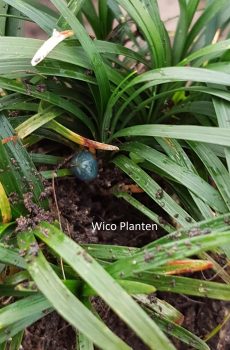
  • Ophiopogon jaburan
    Ophiopogon

    Ophiopogon jaburan

    Een bodembedekkende grasachtige die niet bij de gras hoort maar in de familie van het lelietje der dalen zit. Heeft witte bloemen waarna er blauwpaarse bessen aan de plant komen. Zorgt voor dichte zoden.

    €3.50

  • Plaatshouder
    Ophiopogon

    Ophiopogon japonicus ‘Kyoto Dwarf’

    Als u Ophiopogon japonicus ‘Minor’ al klein vindt, dan is deze kleinood nog kleiner en langzamer. Erg leuk voor in de rotstuin in de schaduw. Houdt wel erg van een humeuze grond. Voor de liefhebber.

    €3.50

  • Ophiopogon japonicus 'Minor'
    Ophiopogon

    Ophiopogon japonicus ‘Minor’

    Een mini-uitvoering van de beter bekende Liriope muscari. Een rustig groeiende bodembedekker voor een beschaduwde plek. Verlangt een humeuze grond. Des te meer tuinturf of kompost u verwerkt des te groter zal later de beloning zijn.

    €3.50

  • Ophiopogon planiscapes 'Niger'
    Ophiopogon

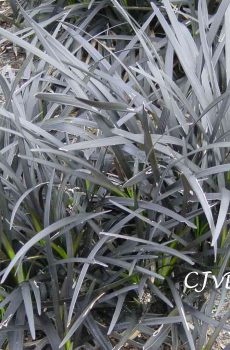
    Ophiopogon planiscapes ‘Niger’

    Het zeer donkere lijnvormige blad komt mooi uit op een lichte kleur grint. Graag een humeuze maar toch doorlatende grond. Het is een laatbloeier. ’s Winters afdekken met blad of stro tegen de strenge oostenwind.

    €4.00

  • Afrekenen
  • agenda
  • Algemene voorwaarden
  • Bosplanten
  • Bosrandplanten
  • Categorieën
  • Contact
  • Home
  • Leveringsbeleid
  • Nieuwsbrief
  • Oeverplanten en planten voor een wadi
  • Onze missie
  • Planten voor open plaatsen
  • Standplaats
  • terugknippen
  • Tips
  • Voorsnijden
  • Winkelwagen
Hestia | Ontwikkeld door ThemeIsle